Training the healthcare workforce of tomorrow.
An independent institute of biomedical and healthcare sciences, founded to strengthen Cameroon’s health system with a new generation of competent, ethical professionals.
A modern institute, grounded in Cameroonian values and global standards.
The Reymans Institute of Biomedical Sciences (RIBS) is a private institute of higher learning located in Bamenda, in the North West Region of the Republic of Cameroon. RIBS was founded to help meet the growing global demand for skilled healthcare professionals and to serve as a leading center of excellence for biomedical and healthcare education in Cameroon and Central Africa.
Officially authorized by the Ministry of Public Health under Decision N° 0168 of 09 March 2026, RIBS offers ten training pathways ranging from Registered Nursing and Midwifery to advanced Nurse Specialist tracks in Ophthalmology, Anesthesia/Reanimation, and Mental Health.
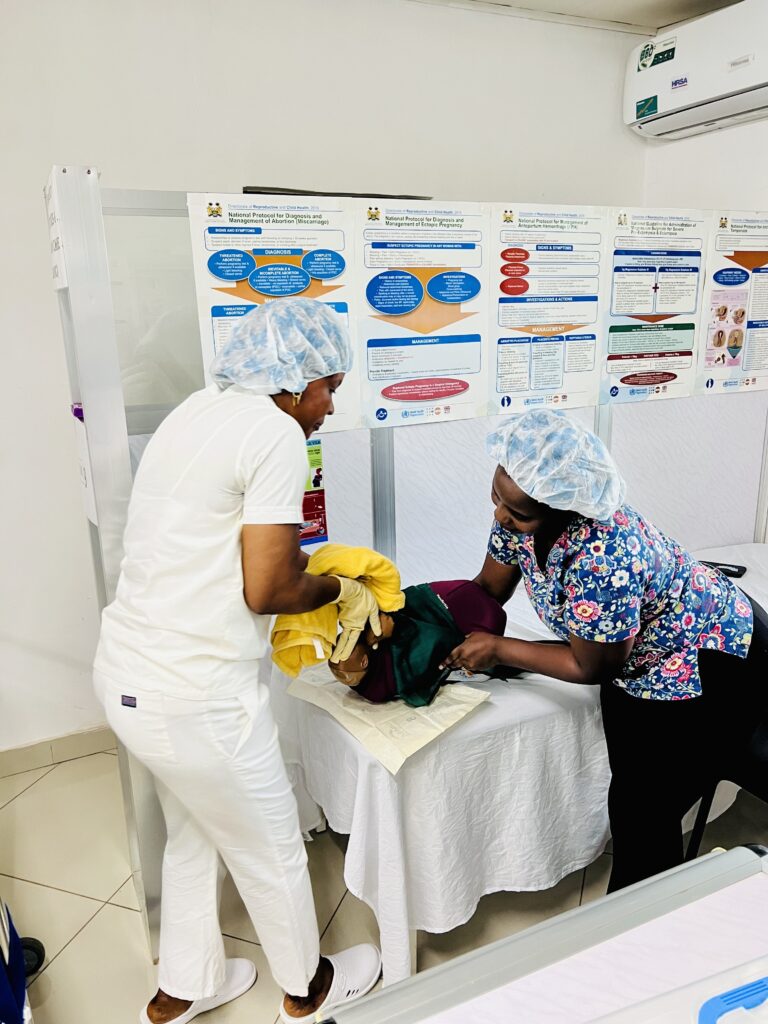
At the heart of RIBS is a commitment to competency-based education, simulation-based practical training, and strong clinical partnerships with district, regional, teaching, and mission hospitals across the country.
Our Vision
To become a leading center of excellence for biomedical and healthcare education in Cameroon and Central Africa, training healthcare professionals capable of meeting the global workforce need.
Our Mission
To train competent, ethical, and highly skilled biomedical and healthcare professionals through modern education, simulation-based training, and strong clinical partnerships — promoting excellence, strengthening healthcare systems, fostering innovation, and contributing to community health.
Led by experienced healthcare educators and researchers.
Our governance structure combines executive leadership, a strategic advisory board, and academic leadership across departments.
Elvis Ndansi
Provides visionary leadership and executive management of the Institute. Sets strategic direction, ensures institutional integrity, oversees compliance with the Ministry of Public Health, and serves as the primary signatory for major decisions.
Christabel Kah Ndansi
Supports the Chancellor in the executive management of the Institute, oversees cross-departmental coordination, and represents RIBS in the absence of the Chancellor.
Day-to-Day Operations
Responsible for the operational management of the Institute — academic delivery, faculty coordination, student services, and campus operations — reporting to the Chancellor.
Strategic Guidance
A non-voting body of distinguished professionals appointed for renewable three-year terms. Meets three times annually to provide strategic guidance to the Chancellor on academic quality, partnerships, and institutional development.
Academic Leadership
Lead curriculum implementation, program quality, faculty development, and student learning outcomes across each of the ten authorized training pathways.
Student Voice & Welfare
Elected representatives serving as the voice of the student body — coordinating student life, welfare, and engagement between learners and the administration.
Competency-based education, from classroom to bedside.
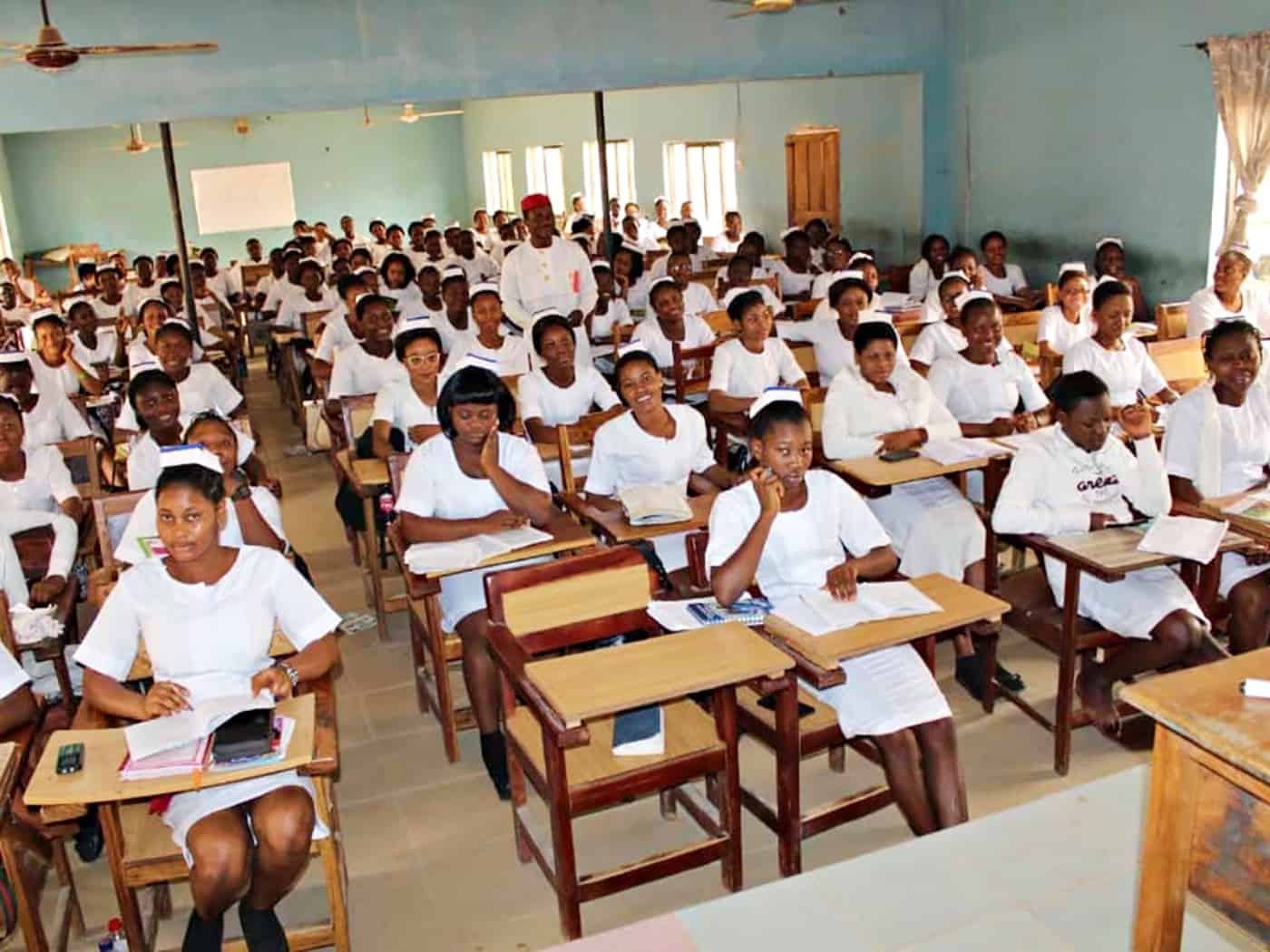
RIBS students learn through a blend of theoretical instruction, immersive simulation, and hands-on clinical rotations. Our curriculum is designed to develop critical thinkers and confident practitioners — not just technicians.
- Competency-based curricula aligned with national and international standards
- Modern simulation laboratories for safe, repeatable skill acquisition
- Clinical rotations in district, regional, teaching, and mission hospitals
- Community-based training and public health engagement
- Development of critical thinking, leadership, and professional ethics
- Opportunities for international exchange and collaborative research